Description
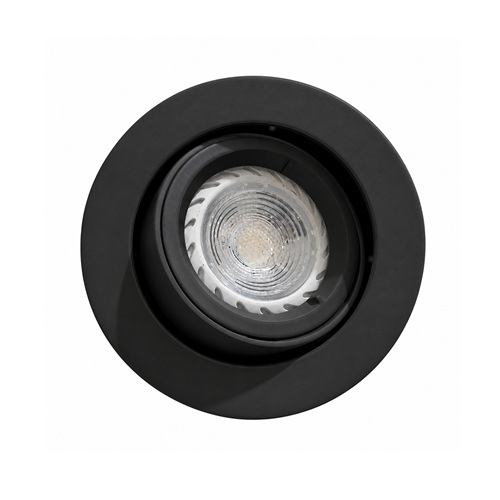
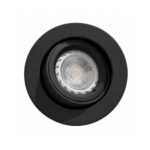
Vinkel Black Tiltable Downlight for Focused Lighting
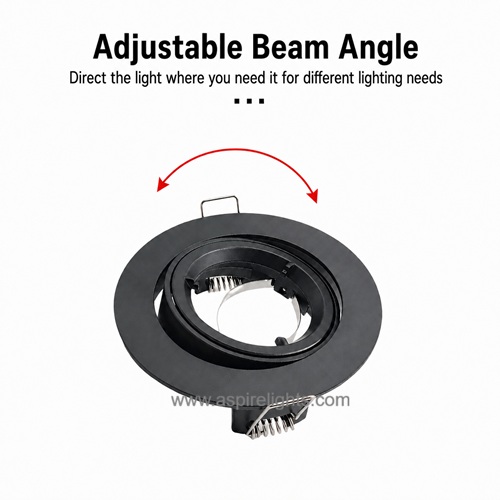
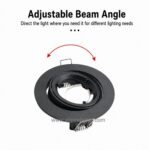
An adjustable recessed spotlight directs light precisely
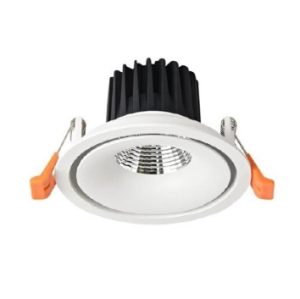
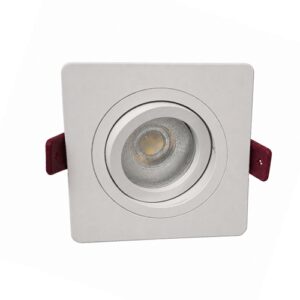
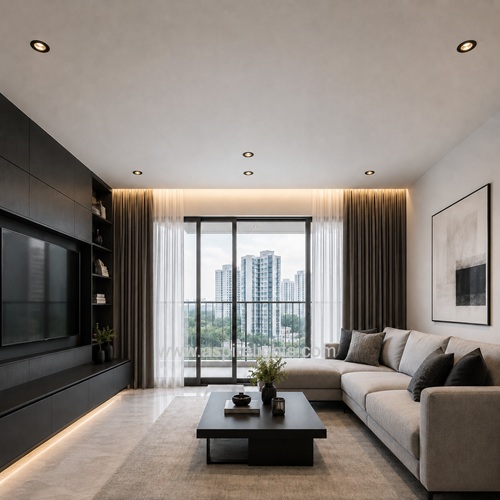
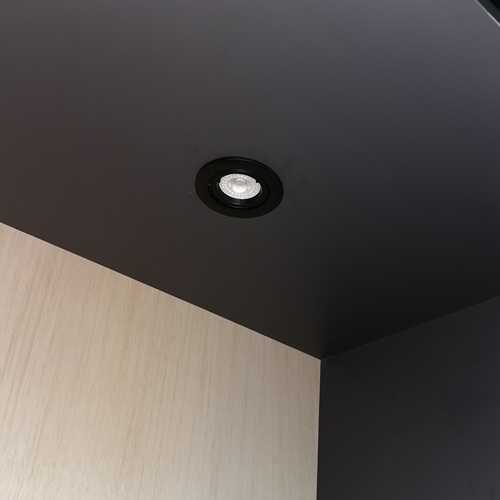
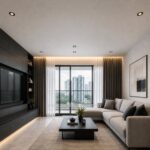
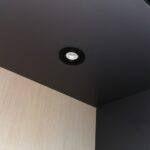
This adjustable recessed spotlight aims light towards artwork, cabinets, feature walls, or work surfaces. The black finish complements dark ceilings and modern carpentry in Singapore homes. It also creates clear contrast against white ceilings. Unlike fixed downlights, the tiltable head places light where it is needed.
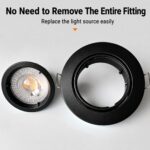
Front access makes future bulb replacement easier
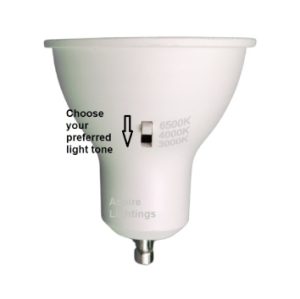
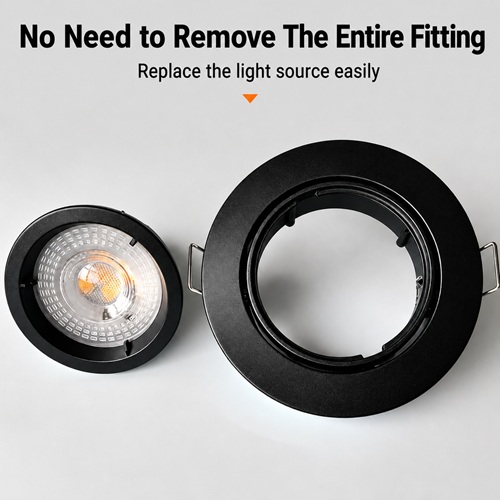
The inner rim turns to release the GU10 bulb from the front. You do not need to remove the complete fitting. This reduces disturbance to ceiling boards, cabinet panels, and finished surfaces during routine bulb replacement.
The eyeball recessed downlight supports layered lighting
Use this eyeball recessed downlight for accent lighting rather than general lighting alone. It suits display shelves, bedside areas, kitchen counters, dining features, and study corners. The bulb or LED module sits closer to the front, allowing a wider effective light spread than a deep recessed fitting. The actual beam angle still depends on the selected GU10 bulb or LED module.
Die-cast aluminium offers durable everyday use
The die-cast aluminium body will not develop red rust like steel. Avoid scratches, harsh cleaners, and prolonged moisture exposure. For prolong usage, keep this adjustable recessed spotlight away from direct water spray or rain.
Prefer a lighter finish for white ceilings? Explore the Vinkel white tiltable recessed downlight.
FAQ
What is an adjustable recessed spotlight?
An adjustable recessed spotlight is a tiltable downlight that lets you direct light towards a selected area. It is also called an eyeball recessed downlight. The movable inner ring makes it suitable for artwork, cabinets, feature walls, reading areas and task lighting.
The Vinkel recessed spotlight can also be tilted away from normal sightlines to reduce direct glare.
How do I replace the GU10 bulb without removing Vinkel recessed downlight fitting?
Switch off the power and allow the bulb to cool. Then turn the inner rim to release the GU10 bulb from the front. The complete downlight fitting does not need to be pulled from the ceiling or cabinet panel. Hence, this helps reduce damage to painted ceilings, plasterwork, and laminate surfaces during future bulb replacement.