
Types of Downlights: A Complete Guide for Singapore Homes
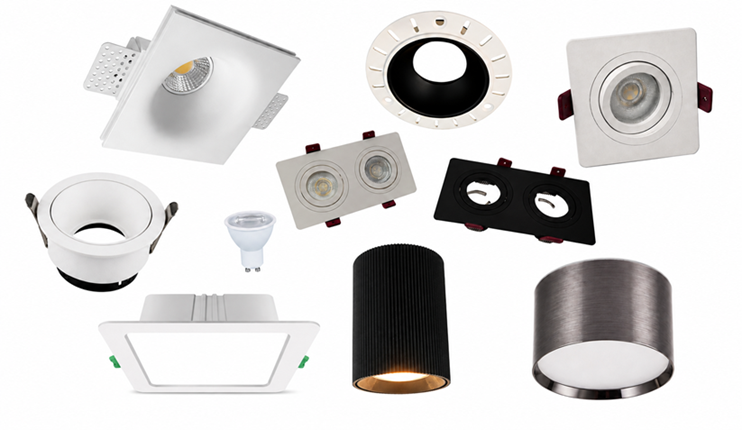
What are the types of downlights?
Renovating a BTO, condo, or landed home means facing dozens of ceiling light options early on. Downlights sit flush inside the ceiling, casting a clean, even glow without visible fittings. Before you choose one, it helps to understand the different types of downlights and what each does best.
At Aspire Lightings, we’ve fitted downlights into HDB, condo, and commercial ceilings across Singapore since 2016. Each downlight fixture suits a different ceiling height, budget, and lighting goal.
What is a downlight?
A downlight is a compact fixture that shines light straight down, unlike a hanging pendant or chandelier. It can be recessed into a ceiling cavity or mounted flush onto the ceiling surface, depending on your ceiling structure. Either way, it can serve as your main room lighting or add focused light to one corner or work surface. This keeps a low HDB ceiling feeling less cramped, since nothing hangs into the room. You’ll find downlights in homes, offices, retail stores, hotels, and corridors — anywhere a clean, unobtrusive light source matters.
Types of Downlights You’ll Find in Singapore Homes
Recessed Downlights Blend Into a False Ceiling
A recessed downlight sits inside a pre-cut ceiling opening, with only the trim visible from below. It works best where you already have, or plan to install, a false ceiling. Most BTO and condo living rooms in Singapore use this type for a clean, built-in finish.
Surface Mount Downlights Skip the False Ceiling Entirely
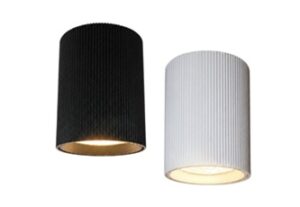
A surface mount downlight attaches straight onto the ceiling slab, with no cutting or recess needed. This makes it the practical choice for older HDB flats where the ceiling can’t be cut. It’s also faster and cheaper to install than a recessed option.
Fixed Downlights Point in One Set Direction
A fixed downlight shines straight down and cannot be angled after installation. It has the simplest build, so it usually costs less than adjustable or spot options. This makes it a solid pick for corridors, storerooms, or toilets, where even, general lighting matters more than direction.
Adjustable Downlights Let You Redirect the Beam
An adjustable downlight has a tiltable head, letting you angle the beam after installation. Most tilt between 0 and 35 degrees. Interior designers use this to wash light across feature walls, art, or display shelves. It’s a common pick for gallery-style corridors or accent walls in condos and landed homes.
Spot Downlights Create a Tight, Focused Beam
A spot downlight throws a narrow beam, usually 15 – 36 degrees, to highlight one specific point. Retail stores use it to draw eyes to a display. Homeowners use the same trick for art or a favourite piece of furniture.
Anti-Glare Downlights Protect Your Eyes From Direct Light
An anti-glare downlight uses a deep-set bulb, angled reflector, or diffuser lens to soften harsh brightness. This matters most directly above a bed, sofa, or dining table, where you look straight into the light source. Many standard downlights installed above beds in Singapore bedrooms cause exactly this kind of glare.
Trimless Downlights Disappear Into the Ceiling
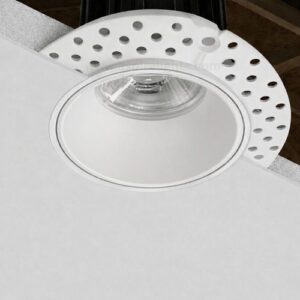
A trimless downlight has no visible frame or rim, plastered flush so the ceiling looks completely seamless. You see the light, not the fixture, which suits minimalist, high-end interiors. It costs more and takes more installation care, so it’s common in premium renovations.
GU10 and Integrated LED Downlights Differ in Upkeep
A GU10 downlight uses a replaceable bulb on a standard socket, so a dead bulb is a quick, cheap swap.
An integrated LED downlight has the driver built into a slim, low-profile body, giving smoother light with fewer hot spots. But when the driver or especially the LED fails, you replace the whole fixture, and matching the exact model and cut hole size years later isn’t always possible. GU10 needs a deeper false ceiling void, usually 100mm or more, while integrated LED fits shallower ceilings.
The Right Types of Downlights Depend on Your Ceiling and Goals
Match the downlight to your ceiling structure first, then your lighting goal. A false ceiling opens up recessed, adjustable, or trimless options. A bare concrete slab points you toward surface mount instead. If you’re unsure which fits your space, visit Aspire Lightings’ Bendemeer showroom and see the differences in person.